

logo
Горячие продукты ТОП ПРОДУКТЫ
О нас
China Jixiang Siji Industrial Co., Ltd.
О нас
Jixiang Siji Industrial Co., Ltd.
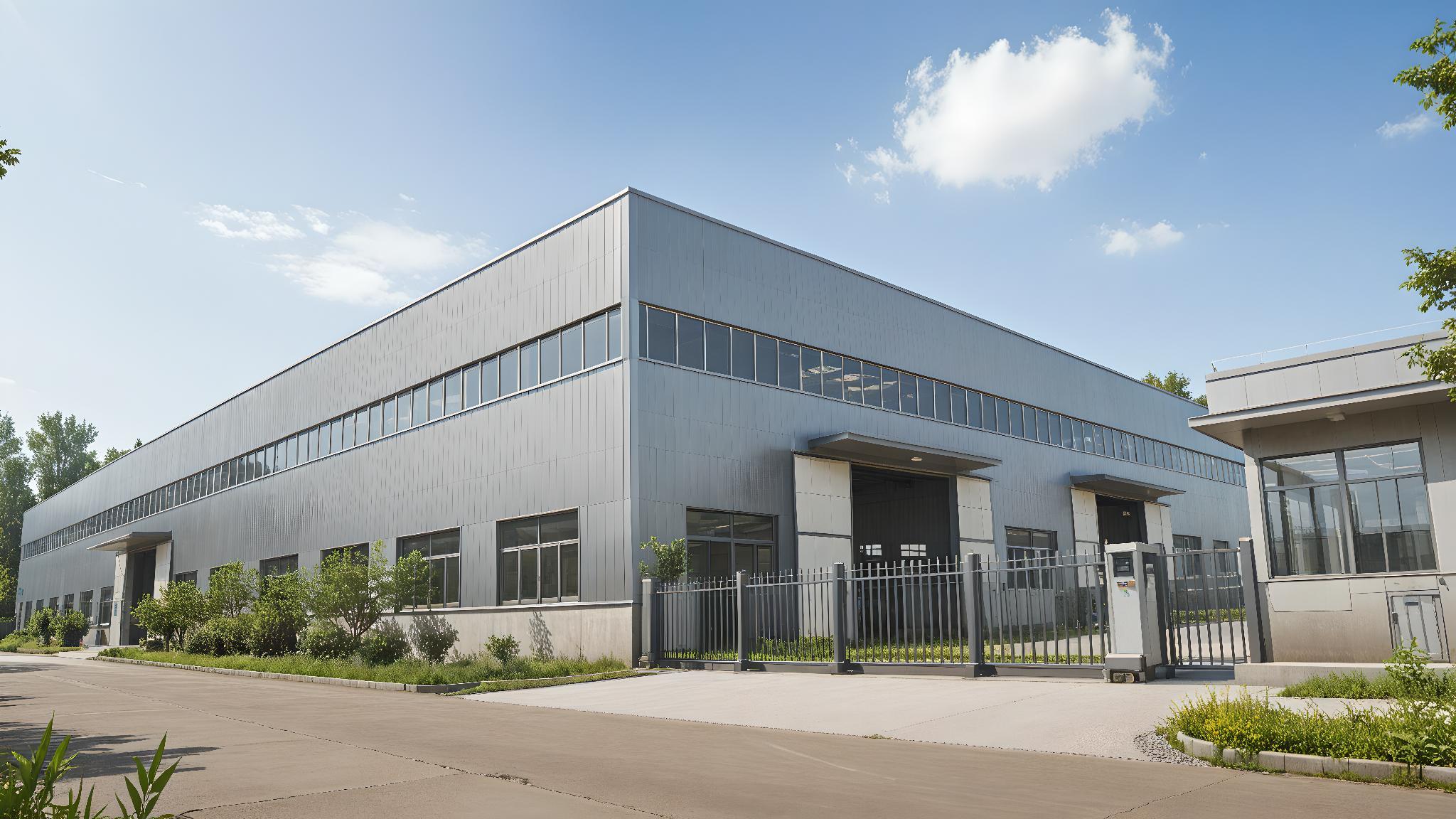
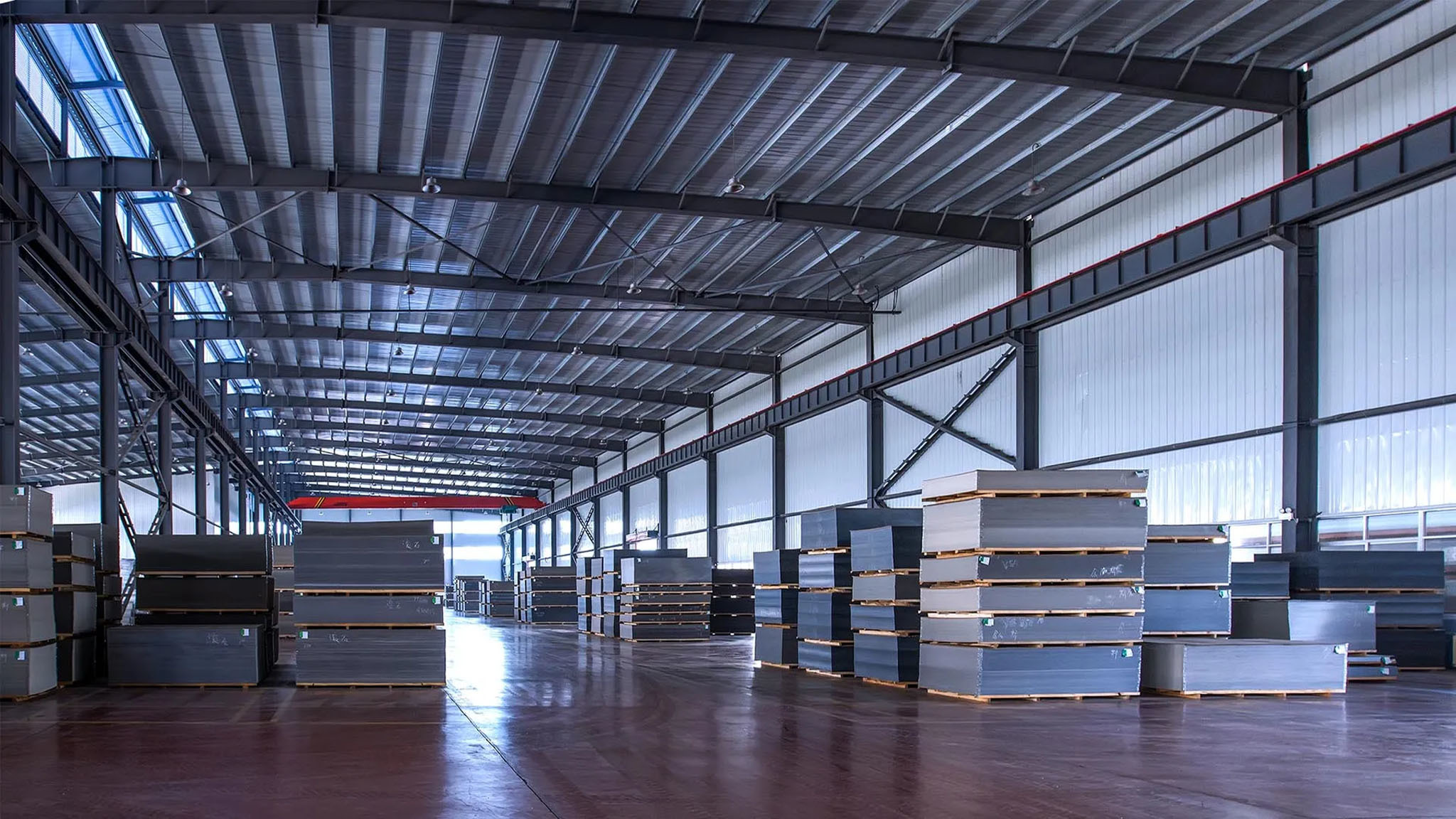
Alushang является брендом компании Jixiang Siji Industrial Co.. Ltd., специализирующейся на глубокой обработке и наружном распылении алюминиевых композитных панелей, фанеров, панелей из соломенных пятен, гофрированных панелей,и потолки.Инвестиции первой фазы составляют 30 миллионов юаней, с площадью завода 30000 квадратных метров.с удобным транспортом и рядом с высококачественным центром распределения ресурсов алюминиевой пластиныАлушанг в основном производит различные алюминиевые панели, распыл...
Подробнее
Запрос А Цитата
0+
Годовой объем продаж
0
Год
Клиенты
0%
П.С.
0+
Работники
Мы предоставляем
Лучшее обслуживание!
Вы можете связаться с нами различными способами
Свяжитесь мы
Jixiang Siji Industrial Co., Ltd.

качество Алюминиевая композитная панель PE & Панель расклассифицированная огнем алюминиевая составная завод

События
Последние новости о компании Common Facade Material Risks in Southeast Asia and How PVDF ACP Helps Reduce Them
Common Facade Material Risks in Southeast Asia and How PVDF ACP Helps Reduce Them

2026-06-30

/* Unique class name for encapsulation */ .gtr-container-f7h2k3 { font-family: Verdana, Helvetica, "Times New Roman", Arial, sans-serif; color: #333; line-height: 1.6; padding: 15px; max-width: 100%; box-sizing: border-box; } .gtr-container-f7h2k3 { background-color: transparent; } .gtr-container-f7h2k3 { border: none; outline: none; } .gtr-container-f7h2k3 .gtr-heading { font-size: 18px; font-weight: bold; margin-top: 25px; margin-bottom: 15px; color: #3176FF; text-align: left; } .gtr-container-f7h2k3 p { font-size: 14px; margin-bottom: 15px; text-align: left !important; } .gtr-container-f7h2k3 strong { font-weight: bold; color: #333; } .gtr-container-f7h2k3 ul { list-style: none !important; padding-left: 20px; margin-bottom: 15px; } .gtr-container-f7h2k3 ul li { position: relative; padding-left: 20px; margin-bottom: 8px; font-size: 14px; text-align: left; list-style: none !important; } .gtr-container-f7h2k3 ul li::before { content: "•" !important; position: absolute !important; left: 0 !important; color: #3176FF; font-size: 1.2em; line-height: 1; top: 0; } .gtr-container-f7h2k3 ol { list-style: none !important; padding-left: 25px; margin-bottom: 15px; } .gtr-container-f7h2k3 ol li { position: relative; padding-left: 25px; margin-bottom: 8px; font-size: 14px; text-align: left; list-style: none !important; } .gtr-container-f7h2k3 ol li::before { content: counter(list-item) "." !important; position: absolute !important; left: 0 !important; color: #3176FF; font-size: 1em; line-height: 1; top: 0; width: 1.5em; text-align: right; } .gtr-container-f7h2k3 .gtr-table-wrapper { width: 100%; overflow-x: auto; margin-bottom: 20px; } .gtr-container-f7h2k3 table { width: 100%; border-collapse: collapse !important; border-spacing: 0 !important; min-width: 600px; font-size: 14px; text-align: left; } .gtr-container-f7h2k3 th, .gtr-container-f7h2k3 td { border: 1px solid #ccc !important; padding: 10px !important; text-align: left !important; vertical-align: top !important; word-break: normal; overflow-wrap: normal; } .gtr-container-f7h2k3 th { font-weight: bold !important; background-color: #f0f0f0; color: #333; } .gtr-container-f7h2k3 tr:nth-child(even) { background-color: #f9f9f9; } .gtr-container-f7h2k3 tr:nth-child(odd) { background-color: #ffffff; } @media (min-width: 768px) { .gtr-container-f7h2k3 { padding: 25px 40px; max-width: 960px; margin: 0 auto; } .gtr-container-f7h2k3 .gtr-heading { font-size: 22px; margin-top: 30px; margin-bottom: 20px; } .gtr-container-f7h2k3 p { font-size: 14px; margin-bottom: 18px; } .gtr-container-f7h2k3 ul { padding-left: 25px; } .gtr-container-f7h2k3 ul li { padding-left: 25px; } .gtr-container-f7h2k3 ul li::before { font-size: 1.3em; } .gtr-container-f7h2k3 .gtr-table-wrapper { overflow-x: visible; } .gtr-container-f7h2k3 table { min-width: auto; } } Introduction: Southeast Asia Is Not a Mild Climate Every building material performs differently under stress — and Southeast Asia delivers stress in abundance. With equatorial UV indexes routinely exceeding 10, monsoon-season relative humidity above 85%, and coastal salt spray in most major cities, facade materials in the region face an accelerated aging environment that exposes weaknesses far sooner than temperate-zone specifications would predict. The purpose of this article is not to claim that any material eliminates these risks entirely — no material does. Rather, it is to examine the three most common failure modes observed in Southeast Asian facades, and explain how PVDF ACP makes these risks controllable, predictable, and manageable — not avoided, but engineered into acceptable bounds. Risk 1: Premature Fading Color fading is the most visible — and often the earliest — sign of facade material degradation in tropical climates. Under sustained high-UV exposure, organic pigments and resin binders in coating systems undergo photochemical breakdown. The result is a measurable shift in color that progresses from subtle to obvious within a few years. What drives accelerated fading in Southeast Asia: Year-round high solar irradiance (daily peak UV Index 10–12) with no winter respite Dark-colored facades absorb more thermal energy, accelerating pigment degradation Combined effect of UV + humidity creates hydrolytic pathways that break down coating resins faster than UV alone With standard polyester coatings, color shift (ΔE > 3) is commonly observed within 18–30 months in equatorial exposure. PVDF coatings, by contrast, leverage the carbon-fluorine bond — one of the strongest covalent bonds in organic chemistry — which is virtually inert to UV photolysis. Independent weathering studies consistently show PVDF retaining over 80% of original gloss and ΔE under 2 after a decade or more of Florida exposure, a standard proxy for tropical conditions. Risk 2: Surface Chalking Chalking is the progressive degradation of the coating surface into a loose, powdery residue. It occurs when the polymer matrix of the coating breaks down under UV attack, leaving exposed pigment particles that can be wiped off by hand. While chalking begins as a cosmetic issue, it signals deeper coating failure and accelerates further degradation by increasing surface porosity. Why chalking is particularly aggressive in the region: UV photo-oxidation of the coating binder is continuous, not seasonal Frequent heavy rainfall washes away degraded surface material, constantly exposing fresh layers to UV attack — a cyclic erosion process Once chalking begins, the roughened surface traps dirt and biological growth (mold, algae), compounding aesthetic degradation PVDF coatings resist chalking through the inherent chemical stability of the fluoropolymer backbone. Unlike polyester or acrylic resins that contain UV-sensitive ester or ether linkages, the fully fluorinated PVDF structure offers no reactive sites for photo-oxidation to attack. The result is a coating that maintains surface integrity for 15–20+ years even under continuous equatorial exposure. Risk 3: Delamination and Structural Instability Delamination — the separation of the aluminum skin from the polyethylene core — is the most serious of the three risks because it transitions from aesthetic concern to structural hazard. When moisture penetrates through a degraded or micro-cracked coating and reaches the bond interface between aluminum and core, it initiates progressive bond failure that can spread across entire panel sections. Contributing factors in Southeast Asian conditions: Persistent high humidity maintains a constant moisture drive across the coating barrier Thermal cycling (diurnal swings of 10–15°C on dark surfaces) creates differential expansion between aluminum skin and PE core, mechanically stressing the adhesive bond Coastal salt deposition accelerates corrosion at any exposed aluminum edge or coating breach PVDF ACP addresses delamination risk through two mechanisms. First, the superior long-term integrity of the PVDF coating maintains an effective moisture barrier far longer than alternative coatings, preventing the water ingress that initiates bond failure. Second, the dimensional stability of PVDF under thermal cycling reduces coating micro-cracking, preserving the barrier function across years of expansion-contraction cycles. The Risk Philosophy: Controllable, Not Avoided No facade material — including PVDF ACP — can guarantee zero degradation in Southeast Asian conditions. Coatings will weather, colors will shift, and surfaces will age. The engineering question is not whether these things happen, but at what rate, with what predictability, and with what consequence. Risk Standard Coating (Polyester) PVDF Coating Risk Reduction Fading (ΔE > 3) 18–30 months 10+ years (ΔE < 2) 4–6× longer service window Chalking Onset 2–4 years 15–20+ years 5–7× longer surface integrity Delamination Risk Elevated after 5–8 years Minimal within 15–20 year window Barrier integrity maintained 3× longer Predictability Variable — batch and exposure dependent Highly consistent — well-documented weathering data Engineering-grade predictability PVDF ACP does not eliminate these risks. It compresses them into a much longer, more predictable timeline — converting unknowns into knowns, and allowing project stakeholders to plan maintenance cycles with confidence rather than react to surprises. Conclusion In Southeast Asia's high-UV, high-humidity environment, facade material selection is fundamentally a risk management exercise. Premature fading, surface chalking, and delamination are not rare exceptions — they are predictable consequences of material choices made at specification stage. PVDF ACP cannot make these risks disappear, but it can make them slow, measurable, and manageable across a 15–20 year service window. For developers, architects, and contractors who value predictability over short-term savings, that distinction is the entire business case.
Смотрите больше
Последние новости о компании Why Color Consistency Matters in Large-Scale ACP Facade Projects: A Project Management Perspective
Why Color Consistency Matters in Large-Scale ACP Facade Projects: A Project Management Perspective

2026-06-30

/* Root container */ .gtr-container-x7y2z9 { font-family: Verdana, Helvetica, "Times New Roman", Arial, sans-serif; color: #333; line-height: 1.6; padding: 15px; box-sizing: border-box; } /* Headings (converted from h3) */ .gtr-container-x7y2z9 .gtr-heading-level3 { font-size: 18px; font-weight: bold; margin-top: 25px; margin-bottom: 15px; color: #3176FF; text-align: left; } /* Paragraphs */ .gtr-container-x7y2z9 p { font-size: 14px; margin-bottom: 1em; text-align: left !important; } /* Unordered List */ .gtr-container-x7y2z9 ul { list-style: none !important; padding-left: 20px; margin-bottom: 1em; } .gtr-container-x7y2z9 ul li { list-style: none !important; position: relative; padding-left: 20px; margin-bottom: 0.5em; font-size: 14px; text-align: left !important; } .gtr-container-x7y2z9 ul li::before { content: "•" !important; position: absolute !important; left: 0 !important; color: #3176FF; font-size: 1.2em; line-height: 1; } /* Ordered List */ .gtr-container-x7y2z9 ol { list-style: none !important; padding-left: 25px; margin-bottom: 1em; counter-reset: list-item; } .gtr-container-x7y2z9 ol li { display: list-item; list-style: none !important; position: relative; padding-left: 25px; margin-bottom: 0.5em; font-size: 14px; text-align: left !important; } .gtr-container-x7y2z9 ol li::before { content: counter(list-item) "." !important; position: absolute !important; left: 0 !important; color: #3176FF; font-size: 1em; line-height: 1; width: 1.5em; text-align: right; } /* Table styling */ .gtr-container-x7y2z9 .gtr-table-wrapper { width: 100%; overflow-x: auto; margin-top: 20px; margin-bottom: 20px; } .gtr-container-x7y2z9 table { width: 100%; border-collapse: collapse !important; border-spacing: 0 !important; font-size: 14px; min-width: 600px; } .gtr-container-x7y2z9 th, .gtr-container-x7y2z9 td { border: 1px solid #ccc !important; padding: 10px !important; text-align: left !important; vertical-align: top !important; word-break: normal; overflow-wrap: normal; } .gtr-container-x7y2z9 th { font-weight: bold !important; background-color: #f0f0f0; color: #333; } /* Zebra striping for table rows */ .gtr-container-x7y2z9 tbody tr:nth-child(even) { background-color: #f9f9f9; } /* Responsive design for PC */ @media (min-width: 768px) { .gtr-container-x7y2z9 { padding: 20px 40px; max-width: 960px; margin: 0 auto; } .gtr-container-x7y2z9 .gtr-heading-level3 { margin-top: 30px; margin-bottom: 20px; } .gtr-container-x7y2z9 .gtr-table-wrapper { overflow-x: visible; } .gtr-container-x7y2z9 table { min-width: auto; } } Introduction: The Hidden Challenge of Scale In small-scale facade projects, color consistency is rarely a concern — a single production batch covers the entire elevation, and the architect's specified RAL or Pantone reference is faithfully delivered. But when the project scales to tens of thousands of square meters across multiple buildings, zones, and installation phases, color consistency transforms from a quality checkmark into a project-level risk that demands proactive management. The reality of large-scale ACP facade construction introduces an unavoidable complexity: one facade, multiple batches, installed simultaneously across different zones by different crews. Without deliberate consistency management, what begins as a specification on paper can end as visible patchwork on the building. The Engineering Reality: Why Batches Differ Color variation between production batches is not a defect — it is a physical reality of industrial coating processes. Even with stringent quality control, the following factors introduce measurable variation: Coating Line Conditions: Slight variations in oven temperature profiles, line speed, and ambient humidity between production runs affect coating thickness, cure rate, and final surface reflectance — all of which influence perceived color. Raw Material Variation: Aluminum coil from different mill lots can exhibit subtle differences in surface texture and pretreatment response, altering how the coating bonds and reflects light. Pigment Dispersion: Even with precision metering equipment, pigment concentration in PVDF or polyester coatings can drift within tolerance bands (typically ±5%), producing ΔE values that are individually acceptable but visually cumulative across a large facade. Aging and Environmental Exposure: Panels from early batches installed months before later batches will have already begun their weathering journey, creating apparent color differences that are not manufacturing defects but differential aging effects. The Real Cost: Rework Risk and Schedule Impact When color inconsistency is discovered on-site — typically after multiple installation zones are complete — the consequences cascade through the project timeline and budget: Impact Area Description Typical Cost Multiplier Visual Inspection Failures Architect or client rejects installed panels due to visible color banding or patchwork appearance across zones — Panel Replacement Removing and replacing non-matching panels — requires new production, shipping, and reinstallation 3–5× original panel cost Schedule Delay Production lead time (4–8 weeks) plus reinstallation disrupts downstream trades and overall project milestones Penalty clauses, extended site overhead Reputational Damage A visibly inconsistent facade becomes a permanent advertisement of quality shortcomings for contractor and supplier alike Unquantifiable but lasting Dispute Resolution Assigning liability between coating supplier, panel fabricator, and installer consumes management resources and can lead to legal costs Variable, often substantial Consistency as a Project Management Discipline The most successful large-scale ACP projects treat color consistency not as a product specification to be verified on arrival, but as a project workflow to be managed from procurement through installation: Pre-Production Batch Planning: Map the total facade area against production capacity and determine the minimum number of batches required. Where possible, consolidate critical visible elevations into a single production run. Master Reference Panel: Establish a physical master panel signed off by all stakeholders before production begins. Every subsequent batch is compared against this single reference — not against the previous batch, which can allow gradual drift. Batch-to-Batch Measurement Protocol: Require colorimetry readings (L*a*b* values, ΔE) for each production batch against the master reference, with a defined rejection threshold (typically ΔE ≤ 1.0 for critical facades). Installation Zone Sequencing: Install panels from the same production batch within contiguous visual zones. Avoid mixing batches within a single elevation plane wherever possible. When transitions between batches are unavoidable, place them at architectural breaks (expansion joints, corners, floor lines) where the visual seam is naturally concealed. On-Site Dry Layout Verification: Before permanent fixing, conduct a dry layout of panels spanning the batch transition zone under natural daylight conditions. This 30-minute check can prevent weeks of rework. Conclusion Color consistency in large-scale ACP facade projects is fundamentally a project management challenge, not merely a product quality metric. While coating technology and factory QC are essential foundations, they cannot compensate for the absence of batch planning, installation sequencing, and on-site verification protocols. Contractors and specifiers who recognize this distinction — and invest in the management processes that bridge production and installation — deliver facades where color uniformity is not a pleasant surprise, but a planned outcome.
Смотрите больше
Последние новости о компании PVDF ACP vs Polyester ACP: Choosing the Right Material for Long-Term Southeast Asia Exterior Projects
PVDF ACP vs Polyester ACP: Choosing the Right Material for Long-Term Southeast Asia Exterior Projects

2026-06-30

/* Unique root container for encapsulation */ .gtr-container-acp789 { font-family: Verdana, Helvetica, "Times New Roman", Arial, sans-serif; color: #333; line-height: 1.6; padding: 15px; max-width: 100%; box-sizing: border-box; margin: 0 auto; } /* Headings - converted from h3 to p with class */ .gtr-container-acp789 .gtr-heading-acp789 { font-size: 18px; font-weight: bold; color: #3176FF; margin-top: 1.5em; margin-bottom: 1em; text-align: left; } /* Paragraph styling */ .gtr-container-acp789 p { font-size: 14px; margin-bottom: 1em; text-align: left; } /* Strong/bold text */ .gtr-container-acp789 strong { font-weight: bold; } /* Unordered list styling */ .gtr-container-acp789 ul { list-style: none !important; margin: 0 0 1em 0 !important; padding: 0 !important; } .gtr-container-acp789 ul li { list-style: none !important; position: relative; padding-left: 20px; margin-bottom: 0.5em; font-size: 14px; text-align: left; } .gtr-container-acp789 ul li::before { content: "•" !important; position: absolute !important; left: 0 !important; color: #3176FF; font-size: 1.2em; line-height: 1; top: 0; } /* Ordered list styling */ .gtr-container-acp789 ol { list-style: none !important; margin: 0 0 1em 0 !important; padding: 0 !important; counter-reset: list-item; /* Reset counter for ordered list */ } .gtr-container-acp789 ol li { list-style: none !important; position: relative; padding-left: 25px; /* Adjust for number width */ margin-bottom: 0.5em; font-size: 14px; text-align: left; counter-increment: none; /* Increment counter for each list item */ } .gtr-container-acp789 ol li::before { content: counter(list-item) "." !important; position: absolute !important; left: 0 !important; color: #3176FF; font-weight: bold; width: 20px; /* Fixed width for numbers */ text-align: right; top: 0; } /* Table wrapper for responsiveness */ .gtr-container-acp789 .gtr-table-wrapper { overflow-x: auto; margin-bottom: 1.5em; } /* Table styling */ .gtr-container-acp789 table { width: 100%; border-collapse: collapse; border-spacing: 0; min-width: 600px; /* Ensure table is wide enough to scroll on small screens */ } .gtr-container-acp789 th, .gtr-container-acp789 td { padding: 10px 15px; border: 1px solid #ccc !important; /* Enforce border */ text-align: left; vertical-align: top; font-size: 14px; line-height: 1.4; } .gtr-container-acp789 th { font-weight: bold; background-color: #f0f0f0; /* Light background for header */ color: #333; } /* Zebra striping for table rows */ .gtr-container-acp789 tbody tr:nth-child(even) { background-color: #f9f9f9; } /* Responsive adjustments for PC screens */ @media (min-width: 768px) { .gtr-container-acp789 { padding: 25px; max-width: 960px; /* Constrain width for better readability on large screens */ } .gtr-container-acp789 .gtr-heading-acp789 { font-size: 20px; } .gtr-container-acp789 table { min-width: auto; /* Remove min-width on larger screens */ } } Introduction: The Southeast Asia Climate Reality When specifying aluminum composite panels (ACP) for exterior projects in Southeast Asia, architects and contractors face a decision that goes far beyond datasheet comparisons. The region's unique climate — characterized by intense year-round UV radiation, monsoon-driven humidity exceeding 80%, and salt-laden coastal air — creates a testing ground where material performance is measured not in laboratory conditions, but in real-world endurance over years of exposure. The question is not simply "which ACP is better," but rather: which material aligns with your project's lifecycle expectations and risk tolerance? Understanding the Environmental Stress Factors Southeast Asia presents a uniquely aggressive combination of environmental stressors that accelerate facade material degradation: High UV Radiation: Proximity to the equator means consistently high UV index levels (often 10–12) throughout the year, causing rapid photo-degradation of organic coatings and resins. Persistent High Humidity: Average relative humidity of 75–85% promotes hydrolysis, mold growth, and adhesive bond deterioration in panel core materials. Thermal Cycling: Daily temperature swings between 25°C and 38°C, combined with direct solar gain on dark surfaces, subject panels to continuous expansion-contraction stress. Coastal Salinity: Many key Southeast Asian markets (Singapore, Bangkok, Jakarta, Manila, Ho Chi Minh City) are coastal, adding salt-spray corrosion to the degradation equation. Polyester ACP: The Short-Cycle Solution Polyester (PE) coated ACP has long been the entry-level choice for exterior cladding, valued primarily for its cost-effectiveness and wide availability. In controlled or mild climates, PE coatings can deliver satisfactory performance for 3–7 years before visible degradation sets in. However, under Southeast Asian conditions, the limitations become apparent much sooner: UV-Induced Chalking and Fading: Polyester resins contain ester bonds that are inherently susceptible to UV photolysis. Within 12–24 months of equatorial exposure, PE-coated panels typically exhibit measurable gloss reduction (often exceeding 50%) and visible color shift (ΔE > 3). Humidity-Driven Delamination Risk: Moisture ingress through micro-cracks in weathered PE coatings can reach the polyethylene core, compromising the bond between aluminum skin and core material. This is particularly critical in buildings without adequate overhang or drip-edge protection. Short Maintenance Cycle: Projects relying on PE ACP in high-exposure Southeast Asian environments should budget for recoating or panel replacement within 5–8 years — a cost that can erase initial material savings. Best-fit applications for Polyester ACP in Southeast Asia: temporary structures, interior partitions, signage with limited exterior exposure, low-rise buildings with substantial shade, and projects with planned short lifecycles (under 5 years) where initial budget is the primary constraint. PVDF ACP: Engineered for Endurance Polyvinylidene fluoride (PVDF) coatings represent a fundamentally different approach to exterior durability. The carbon-fluorine bond — one of the strongest in organic chemistry — provides inherent resistance to UV degradation, chemical attack, and environmental weathering that polyester chemistry cannot match. Key performance advantages in Southeast Asian conditions: Superior UV Resistance: PVDF coatings routinely retain over 80% of original gloss after 10+ years of equatorial exposure. The fluoropolymer backbone is virtually inert to UV photolysis, meaning color stability (ΔE typically under 2) is maintained far longer than with PE alternatives. Moisture Barrier Integrity: PVDF's low surface energy and chemical stability create an effective long-term moisture barrier. Even after years of monsoon exposure, the coating resists hydrolysis and maintains its protective function against core delamination. Extended Service Life: Buildings clad with PVDF ACP in Southeast Asia typically require only cleaning maintenance for 15–20+ years before any recoating consideration — delivering substantially lower total cost of ownership when lifecycle is factored in. Self-Cleaning Properties: The low surface energy of PVDF also reduces dirt adhesion, helping facades maintain their appearance through seasonal rain washing — a practical advantage in regions with frequent rainfall. Comparative Summary Factor Polyester ACP PVDF ACP UV Resistance Moderate — fades within 2–3 years Excellent — 10+ years color stability Humidity Tolerance Limited — delamination risk after 5–8 years High — maintains barrier integrity long-term Typical Service Life (SE Asia) 5–8 years 15–20+ years Maintenance Cycle Recoat/replace every 5–8 years Cleaning only for 15+ years Initial Material Cost Lower Higher Lifecycle Cost (20yr TCO) Higher (incl. replacement cycles) Lower (single installation) Ideal Project Type Short-cycle, non-critical facade Long-term, engineering-stability priority The Decision Framework: Project Cycle × Risk Tolerance In Southeast Asian markets, the choice between Polyester and PVDF ACP is rarely about material grade hierarchy. Instead, it is a function of two intersecting variables: Project Lifecycle Expectation: Is this a 3-year pop-up commercial space or a 30-year institutional landmark? The longer the intended service period, the more the PVDF premium becomes a necessity rather than an option. Risk Tolerance Profile: What is the consequence of premature facade degradation? For a retail kiosk, faded panels are a cosmetic nuisance. For a corporate headquarters or luxury condominium, they represent reputational damage and potential safety liabilities. For project stakeholders operating in Southeast Asia, the engineering-first approach means evaluating these two factors honestly — and recognizing that the "cheaper" PE option may carry hidden lifecycle costs that only become visible under the region's unforgiving sun and rain. Conclusion There is no universally correct answer to the PVDF vs Polyester ACP question — only the answer that best fits your project's specific context. In Southeast Asia, where climate accelerates every degradation mechanism, the decision is ultimately a risk management calculation. Short-cycle, budget-driven projects with low failure consequence can be well-served by Polyester ACP. Projects where long-term facade integrity is non-negotiable should default to PVDF. The key is to make this choice consciously, with full awareness of the environmental realities that Southeast Asia brings to every exterior surface.
Смотрите больше
Последние новости о компании Алюминиевые композитные панели из ПВДФ для фасадных проектов в Юго-Восточной Азии: руководство по инженерному отбору
Алюминиевые композитные панели из ПВДФ для фасадных проектов в Юго-Восточной Азии: руководство по инженерному отбору

2026-06-30

/* Unique root container for encapsulation */ .gtr-container-f8k2p5q9 { font-family: Verdana, Helvetica, "Times New Roman", Arial, sans-serif; color: #333; line-height: 1.6; padding: 15px; box-sizing: border-box; } /* Main title styling */ .gtr-container-f8k2p5q9 .gtr-title { font-size: 18px; font-weight: bold; color: #3176FF; margin-top: 0; margin-bottom: 1.5em; text-align: left !important; } /* Section title styling */ .gtr-container-f8k2p5q9 .gtr-section-title { font-size: 16px; font-weight: bold; color: #3176FF; margin-top: 2em; margin-bottom: 1em; text-align: left !important; } /* Paragraph styling */ .gtr-container-f8k2p5q9 p { font-size: 14px; margin-bottom: 1em; text-align: left !important; line-height: 1.6; word-break: normal; overflow-wrap: normal; } /* Unordered list styling */ .gtr-container-f8k2p5q9 ul { margin: 1em 0; padding-left: 20px; list-style: none !important; } .gtr-container-f8k2p5q9 ul li { position: relative; padding-left: 15px; margin-bottom: 0.5em; list-style: none !important; font-size: 14px; } .gtr-container-f8k2p5q9 ul li::before { content: "•" !important; position: absolute !important; left: 0 !important; color: #3176FF; font-size: 1.2em; line-height: 1; top: 0; } /* Ordered list styling */ .gtr-container-f8k2p5q9 ol { margin: 1em 0; padding-left: 25px; list-style: none !important; } .gtr-container-f8k2p5q9 ol li { position: relative; padding-left: 20px; margin-bottom: 0.5em; list-style: none !important; font-size: 14px; } .gtr-container-f8k2p5q9 ol li::before { content: counter(list-item) "." !important; position: absolute !important; left: 0 !important; color: #3176FF; font-weight: bold; width: 20px; text-align: right; top: 0; } /* Responsive adjustments for PC */ @media (min-width: 768px) { .gtr-container-f8k2p5q9 { padding: 20px 40px; max-width: 960px; margin: 0 auto; } } Почему алюминиевые композитные панели из ПВДФ доминируют над фасадными проектами в Юго-Восточной Азии: руководство по выбору инженеров Тропический климат Юго-Восточной Азии, характеризующийся неумолимым УФ-излучением, высокой относительной влажностью и прибрежным соляным спреем, создает серьезные проблемы для архитектурных оболочек.Для владельцев проектов, фасады инженеров и менеджеров по закупкам B2B в таких регионах, как Вьетнам, Таиланд и Филиппины, выбор материалов напрямую диктует затраты на жизненный цикл проекта.Алюминиевые композитные панели из ПВДФ (Флуорид поливинилдена) стали отраслевым стандартом для высоких штор и коммерческих фасадов. В данном руководстве подробно описывается инженерное обоснование выбора ПВДФ ACP, предлагается критический контроль рисков и представления о производительности для устойчивости конструкции. Рыночная история: архитектурные последствия тропического климата В Юго-Восточной Азии фасады постоянно подвергаются воздействию температуры окружающей среды, превышающей 35 градусов по Цельсию, и интенсивному воздействию ультрафиолетового излучения.При таких условиях стандартные полиэфирные покрытия быстро разрушаются.Кроме того, длительное воздействие сильных муссонных дождей и высокой влажности ускоряет химическое ветрообразование.риск деламинирования, если ядро панелей и сцепление покрытия нарушены;Следовательно, региональные строительные кодексы и подрядчики Tier-1 строго требуют высокопроизводительной наружной облицовки, способной противостоять этим элементам. Целевая аудитория и сценарии применения: где смягчение риска имеет наибольшее значение Выбор PVDF ACP имеет решающее значение для конкретных применений с высокими ставками: Высокоэтажные коммерческие здания: шторы, в которых после установки техническое обслуживание или замена панелей требует больших затрат и логистических трудностей. Инфраструктура и общественные узлы: аэропорты, транзитные станции и правительственные комплексы, требующие сертифицированного срока службы более 15 - 20 лет. Прибрежные проекты: городские проекты, расположенные недалеко от берегов, требующие повышенной устойчивости к коррозии, вызванной хлоридом, и атмосферным соляным спреям. Для покупателей и застройщиков B2B выбор правильной спецификации панели - это не просто эстетика, это упражнение по контролю структурных рисков. Наше решение: инженерный ПВДФ ACP для максимальной долговечности Чтобы противостоять тропическим погодным условиям, наша фабрика использует передовую систему покрытия 70% Kynar 500 или Hylar 5000 PVDF фторполимерной смолой.Эта химическая структура имеет высокоустойчивые углеродно-фториновые связи, которые устойчивы к ультрафиолетовой деградации, сохраняя целостность цвета и сохранение блеска при длительном солнечном излучении. Наш производственный процесс обеспечивает надежные физические свойства, разработанные для суровой среды: Общая толщина панели: 4,0 мм или 5,0 мм. Это оптимизирует жесткость конструкции и сопротивление нагрузке ветра. Толщина алюминиевой оболочки: 0,40 мм или 0,50 мм (при использовании AA3003 или AA5005). Толщина слоя покрытия: более или равна 25 микронам (2-слойная или 3-слойная система). Это обеспечивает долгосрочный барьер против химической коррозии. Устойчивость к блеску: соответствует стандартам AAMA 2605. Это гарантирует минимальное изменение цвета в течение 15 лет. Используя высококачественные алюминиевые сплавы, наши панели обеспечивают оптимальную прочность на растяжение и тепловую стабильность.поглощение структурных нагрузок, вызванных быстрыми колебаниями температуры между тропическим дневным солнцем и внезапными ливнями. Случаи клиентов и полевая обратная связь: эффективность в реальном мире Данные о производительности на месте подтверждают эти инженерные решения.недавно провел аудит своей внешней облицовки после многолетнего воздействия прибрежной влажности и высокого УФ-индексаТехническая инспекция сообщила о нулевых признаках пузырьков, нулевой деламинации на интерфейсах и отклонении цвета в пределах приемлемых структурных пределов.Инженерная команда проекта отметила, что использование 4 мм с 0Спецификация.50 мм PVDF значительно снизила их долгосрочный бюджет на обслуживание здания по сравнению с альтернативными материалами. Заключение: оптимизация долгосрочной рентабельности инвестиций Выбор правильного внешнего облицовки требует сбалансирования первоначальных затрат на закупки с долгосрочными обязательствами по обслуживанию.Алюминиевые композитные панели PVDF обеспечивают технически обоснованное решение для требовательных климатических условий Юго-Восточной АзииДля коммерческих проектов, требующих сертифицированной инженерной безопасности и продленного жизненного цикла,Инвестиции в проверенную технологию покрытия ПВДФ остаются самым безопасным способом защиты архитектурных активов.
Смотрите больше
Последние новости о компании Техническое понимание: Руководство по выбору материала для древесного зерна АЧС в рамках Юго-Восточноазиатских фасадов с высоким уровнем УФ
Техническое понимание: Руководство по выбору материала для древесного зерна АЧС в рамках Юго-Восточноазиатских фасадов с высоким уровнем УФ

2026-06-08

.gtr-container-f5h7k9m2 { font-family: Verdana, Helvetica, "Times New Roman", Arial, sans-serif; color: #333; line-height: 1.6; padding: 16px; max-width: 100%; box-sizing: border-box; margin: 0; } .gtr-container-f5h7k9m2 p { font-size: 14px; margin-bottom: 1em; text-align: left !important; word-break: normal; overflow-wrap: normal; } .gtr-container-f5h7k9m2 .gtr-title { font-size: 18px; font-weight: bold; color: #3176FF; margin-bottom: 1.5em; text-align: left; } .gtr-container-f5h7k9m2 .gtr-subtitle { font-size: 16px; font-weight: bold; color: #333; margin-top: 2em; margin-bottom: 1em; text-align: left; } .gtr-container-f5h7k9m2 .gtr-sub-subtitle { font-size: 14px; font-weight: bold; color: #555; margin-top: 1.5em; margin-bottom: 0.8em; text-align: left; } .gtr-container-f5h7k9m2 ul { list-style: none !important; padding-left: 20px; margin-bottom: 1em; margin-top: 0; } .gtr-container-f5h7k9m2 ul li { position: relative; padding-left: 20px; margin-bottom: 0.8em; font-size: 14px; text-align: left !important; list-style: none !important; } .gtr-container-f5h7k9m2 ul li::before { content: "•" !important; position: absolute !important; left: 0 !important; color: #3176FF; font-size: 16px; line-height: 1.6; } .gtr-container-f5h7k9m2 strong { font-weight: bold; } @media (min-width: 768px) { .gtr-container-f5h7k9m2 { padding: 24px; max-width: 960px; margin: 0 auto; } .gtr-container-f5h7k9m2 .gtr-title { font-size: 20px; } .gtr-container-f5h7k9m2 .gtr-subtitle { font-size: 18px; } } Техническое понимание: Руководство по выбору материала для древесного зерна АЧС в климатических условиях Юго-Восточной Азии с высоким уровнем УФ В регионах Юго-Восточной Азии с низкими широтами, таких как Вьетнам, Филиппины и Малайзия, архитектурные фасады постоянно подвергаются чередующимся условиям высокой влажности, повышенной температуры,и интенсивное ультрафиолетовое (УФ) излучениеРеальная древесина быстро заменяется деревянными зерновыми алюминиевыми композитными панелями (ACP) из-за его восприимчивости к гниению, заражению термитами и высоким затратам на обслуживание.предотвращение увядания фасадов с деревянными зернами, обесцвечивание или мелкое окрашивание под воздействием интенсивного тропического солнца остается критической технической проблемой при выборе материала для проекта. В этом руководстве для инженеров будут проанализированы три измерения: поверхностные материалы, толщина покрытия,и стандарты испытаний как обеспечить долгосрочное сохранение цвета внешних деревянных панелей с зерном с помощью параметрического контроля. Основные технические параметры выбора материала Для установления объективных оснований для высокой надежности материала, выбор наружной стены должен строго соответствовать следующим техническим границам: Содержание PVDF:Механизм: блокирует молекулярные связи для устойчивости к фотохимической деградации ультрафиолетового излучения. Толщина покрытия:Механизм: обеспечивает защиту от эрозии и креда. Алюминиевая сплав:AA3003 или AA5005 (резистентный к ржавчине сплав марганца/магния). Стандарты погоды:Соответствует ASTM G154 или ISO 4892-2. Механизм: симулирует тысячи часов циклов УФ/конденсата без трещин. Почему покрытие из 70% ПВДФ является "жестким стандартом" для тропических фасадов? Химические связи смолы и устойчивость к ультрафиолету Высокоэнергетические ультрафиолетовые лучи в солнечном спектре, особенно УФ-А и УФ-В, разрушают полимерные химические связи в стандартных полиэстерных покрытиях.Это приводит к расщеплению и деградации макромолекулярной цепи., который макроскопически проявляется как размытые и побеленные текстуры деревянных зерен на наружных стенах. Причина, по которой 70% фторуглеродных (PVDF) смоловых покрытий сохраняют цветовую стабильность, заключается в чрезвычайно стабильной связи фтор-углерод (F-C Bond), содержащейся в фториде поливинилидена.Энергия связи достигает 485 кДж/моль, что значительно больше энергии фотонов интенсивного тропического УФ-излучения.покрытие из ПВДФ эффективно сопротивляется фотохимической эрозии, защищая слой чернил деревянного зерна, созданный тепловым перемещением или роликовым покрытием от ультрафиолетового разрушения. Техническое значение толщины покрытия 25 микрометров против крема Устойчив к эрозии поверхности и физическому износу В дополнение к фотохимическим реакциям, частым тайфунам, сильным дождям,и ветровой песок в прибрежных условиях Юго-Восточной Азии оказывают непрерывное промывание и физическое износа на поверхности панелиЕсли покрытие слишком тонкое, поверхностный слой очень склонен к мели после первоначального ультрафиолетового старения, и будет смыт дождевой водой, непосредственно подвергая внутренней древесному зерну чернила. Общая толщина поверхностного покрытия внешних деревянных зерен ACP должна контролироваться на 25 микрометров или более.Использование многопроходного процесса непрерывного высокотемпературного роликового покрытия и защитного прозрачного покрытия обеспечивает адекватный физический щит для фасадаДаже при длительном переходе влажного тепла и дождя/эрозии песка естественная ежегодная потеря покрытия на микроуровне не повредит основной слой древесных зерен в течение всего срока его службы.таким образом, избегая деламинирования поверхности и локализованной цветовой вариации. Заключение и советы по инженерному отбору В цепочке поставок для многотонных деревянных фасадов в Юго-Восточной Азии,Технические операции и команды по закупкам должны избегать использования тонких панелей с PE-покрытием, которые удовлетворяют только стандартам внутренней отделкиЗатем, закрепив в параметрическом замкнутом цикле 70% содержания смолы PVDF, минимальной толщины покрытия 25 микрометров и высокопроизводительных базовых сплавов, таких как AA3003,современные архитектурные фасады могут поддерживать высокий уровень плоскости и визуальной консистенции, выдерживая экстремальные тропические климаты.
Смотрите больше
Последнее дело компании о Масштаб и доставка: надежная поставка мрамора ACP для крупномасштабных проектов
Масштаб и доставка: надежная поставка мрамора ACP для крупномасштабных проектов

2026-04-02

.gtr-container-g7h2k4 { font-family: Verdana, Helvetica, "Times New Roman", Arial, sans-serif; color: #333; padding: 15px; line-height: 1.6; font-size: 14px; max-width: 100%; box-sizing: border-box; } .gtr-container-g7h2k4 p { margin-bottom: 1em !important; text-align: left !important; font-size: 14px !important; } .gtr-container-g7h2k4 strong { font-weight: bold !important; color: #0000FF !important; } .gtr-container-g7h2k4__heading { font-size: 18px !important; font-weight: bold !important; color: #0000FF !important; margin-bottom: 1.5em !important; text-align: left !important; } .gtr-container-g7h2k4 ul { list-style: none !important; padding-left: 25px !important; margin-bottom: 1em !important; } .gtr-container-g7h2k4 ul li { position: relative !important; margin-bottom: 8px !important; padding-left: 15px !important; line-height: 1.6 !important; text-align: left !important; list-style: none !important; } .gtr-container-g7h2k4 ul li::before { content: "•" !important; position: absolute !important; left: 0 !important; color: #0000FF !important; font-size: 16px !important; top: 0px !important; line-height: 1.6 !important; } .gtr-container-g7h2k4 ul li p { margin-bottom: 0 !important; list-style: none !important; } .gtr-container-g7h2k4 ol { list-style: none !important; padding-left: 30px !important; margin-bottom: 1em !important; } .gtr-container-g7h2k4 ol li { position: relative !important; margin-bottom: 8px !important; padding-left: 25px !important; line-height: 1.6 !important; text-align: left !important; list-style: none !important; } .gtr-container-g7h2k4 ol li::before { content: counter(list-item) "." !important; position: absolute !important; left: 0 !important; color: #0000FF !important; font-weight: bold !important; font-size: 14px !important; width: 20px !important; text-align: right !important; top: 0px !important; line-height: 1.6 !important; } .gtr-container-g7h2k4 ol li p { margin-bottom: 0 !important; list-style: none !important; } @media (min-width: 768px) { .gtr-container-g7h2k4 { padding: 25px; max-width: 800px; margin: 0 auto; } .gtr-container-g7h2k4__heading { font-size: 18px !important; } } Масштаб и доставка: Надежные поставки мраморных алюминиевых композитных панелей для крупномасштабных проектов 1. Надежные поставки для крупномасштабного строительства На быстроразвивающихся строительных рынках Вьетнама и Индонезии сроки реализации проектов зависят от стабильности поставок материалов. Выбор завода с высокой производственной мощностью — лучший способ избежать дорогостоящих задержек на объекте. 2. Наши преимущества: Стабильное высокопроизводительное производство Расположенное в уезде Вэнь, провинция Хэнань, наше производственное предприятие ориентировано на высокоэффективный выпуск продукции: Непрерывное производство: Наши линии работают с высокой скоростью оборота, чтобы удовлетворить потребности как внутреннего, так и международного рынков. Готовность к большим объемам: Мы готовы обрабатывать крупномасштабные заказы (тысячи квадратных метров), сохраняя при этом структурные стандарты, необходимые для современных фасадов. 3. Высокоэффективная логистика и транспортные возможности Мы придерживаемся строгого ежедневного графика погрузки, чтобы обеспечить выполнение требований проекта: Ежедневная работа автопарка: Постоянная активность большегрузного транспорта у ворот нашего завода является прямым отражением нашего высокого ежедневного выпуска продукции и надежной логистики. Безопасная погрузка: Наша команда гарантирует, что каждый поддон профессионально укреплен для дальних трансграничных перевозок, будь то автомобильным транспортом или морским контейнером. Прямой экспорт с завода: Управляя всем процессом от производственного цеха до погрузочной площадки, мы предоставляем нашим клиентам прямые цены и четкие сроки доставки. 4. Преимущества партнерства с активным заводом Доверие рынка, подтвержденное опытом: Высокий объем отгрузок — самый честный показатель конкурентоспособности продукции и надежности завода. Масштабируемые решения: Мы предлагаем практичные, высокопроизводительные мраморные алюминиевые композитные панели (3 мм/4 мм), адаптированные к реальным потребностям профессиональных строителей.
Смотрите больше
Последнее дело компании о [Исследование случая] А2 огнеупорный мрамор ACP: 9,0N/mm Прочность на очистку для прибрежных проектов
[Исследование случая] А2 огнеупорный мрамор ACP: 9,0N/mm Прочность на очистку для прибрежных проектов

2026-04-02

.gtr-container-mfg456 { font-family: Verdana, Helvetica, "Times New Roman", Arial, sans-serif; color: #333; line-height: 1.6; padding: 15px; box-sizing: border-box; max-width: 100%; overflow-x: hidden; } .gtr-container-mfg456-main-title p { font-size: 18px; font-weight: bold; color: #0000FF; margin-top: 0; margin-bottom: 20px; text-align: left !important; } .gtr-container-mfg456-section-heading p { font-size: 16px; font-weight: bold; color: #333; margin-top: 25px; margin-bottom: 15px; text-align: left !important; } .gtr-container-mfg456 p { font-size: 14px; margin-bottom: 10px; text-align: left !important; word-break: normal; overflow-wrap: normal; } .gtr-container-mfg456 strong { font-weight: bold; color: #0000FF; } .gtr-container-mfg456 ul { list-style: none !important; padding-left: 0; margin-top: 10px; margin-bottom: 10px; } .gtr-container-mfg456 ul li { position: relative; padding-left: 20px; margin-bottom: 8px; font-size: 14px; text-align: left; list-style: none !important; } .gtr-container-mfg456 ul li::before { content: "•" !important; color: #0000FF; font-size: 14px; position: absolute !important; left: 0 !important; top: 0; line-height: 1.6; } .gtr-container-mfg456 ul li p { margin: 0; font-size: 14px; text-align: left !important; list-style: none !important; } @media (min-width: 768px) { .gtr-container-mfg456 { padding: 25px; } } [Исследование случая] А2 огнеупорный мрамор ACP: 9,0N/mm Прочность на очистку для прибрежных проектов Технический анализ: решение проблемы деламинации в условиях высокой влажности 1Проблема в Юго-Восточной АзииВ прибрежных регионах, таких как Вьетнам и Индонезия, высокая влажность (RH > 80%) и солевой спрей часто приводят к обесцвечиванию или исчезновению традиционных ACP.Покупатели B2B нуждаются в решении, которое выдержит сезон муссонов без структурных сбоев. 2- Наше решение: А2 класса Мрамор ACP Мы разработали специализированную композитную панель из мрамора и алюминия, которая уделяет первоочередное внимание стабильности ядра и целостности покрытия: Негорячее ядро:Содержание неорганических минералов > 90% (сорт A2). Защитное покрытие:25um - 28um PVDF (Kynar 500) для 20-летней устойчивости к УФ. Визуальная консистенция:Мармуровые узоры, контролируемые партией, с Delta E = 9,0 Н/мм (превышает промышленный стандарт 7,0 Н/мм). Устойчивость к солевому спрею:Прошел 500-часовое испытание ASTM B117 с нулевой коррозией. Твердость поверхности:>= 2H Сопротивление царапинам. 4Почему вы выбрали это для вашего проекта? Безопасность:Соответствует пожарным правилам высокогорных зданий. Прочность:Разработан для сурового тропического и прибрежного климата. Эффективность:На 60% легче натурального камня, сокращая время установки и конструктивную нагрузку.
Смотрите больше
Последнее дело компании о алюминиевая композитная панель. Диверсификация производительности.
алюминиевая композитная панель. Диверсификация производительности.

2026-01-18

.gtr-container-fgh789 { font-family: Verdana, Helvetica, "Times New Roman", Arial, sans-serif; color: #333; line-height: 1.6; padding: 15px; box-sizing: border-box; } .gtr-container-fgh789 ul { list-style: none !important; margin: 0; padding: 0; } .gtr-container-fgh789 li { list-style: none !important; position: relative; padding-left: 25px; margin-bottom: 15px; font-size: 14px; text-align: left; color: #444; } .gtr-container-fgh789 li::before { content: "•" !important; position: absolute !important; left: 0 !important; top: 0; color: #007bff; /* Industrial blue accent */ font-size: 18px; line-height: 1.6; } .gtr-container-fgh789 .gtr-highlight-text { font-weight: bold; font-size: 16px; color: #222; } @media (min-width: 768px) { .gtr-container-fgh789 { padding: 25px 40px; } .gtr-container-fgh789 li { margin-bottom: 20px; font-size: 15px; } .gtr-container-fgh789 li::before { font-size: 20px; } .gtr-container-fgh789 .gtr-highlight-text { font-size: 18px; } } Диверсификация результатов:От фасадов зданий до экстремальных условий, таких как космос и глубокое море Диверсификация стоимости:От защитной функции до производителя энергии, погрузчика углерода и интерфейса данных. Интеллект жизненного цикла:Достижение отслеживаемости полного цикла и управление материалами посредством цифровых паспортов Укрепление гуманистической симпатии:Укрепление культурной сплоченности общественных пространств посредством динамического взаимодействия
Смотрите больше
Последнее дело компании о Огнезащитная панель ACP из ПВДФ толщиной 4 мм для облицовки наружных стен и фасада здания.
Огнезащитная панель ACP из ПВДФ толщиной 4 мм для облицовки наружных стен и фасада здания.

2026-01-17

/* Уникальный класс для инкапсуляции */ .gtr-container-f8d1e7 { font-family: Verdana, Helvetica, "Times New Roman", Arial, sans-serif; color: #333; line-height: 1.6; padding: 15px; max-width: 100%; box-sizing: border-box; text-align: left; } /* Стиль заголовка */ .gtr-container-f8d1e7 .gtr-title { font-size: 18px; font-weight: bold; margin-bottom: 20px; color: #0056b3; text-align: left; } /* Стиль списка */ .gtr-container-f8d1e7 ul { list-style: none !important; padding-left: 25px !important; margin: 0 0 15px 0 !important; } .gtr-container-f8d1e7 ul li { position: relative !important; margin-bottom: 10px !important; padding-left: 15px !important; text-align: left !important; font-size: 14px !important; list-style: none !important; } /* Пользовательский маркер для основных элементов неупорядоченного списка */ .gtr-container-f8d1e7 ul li::before { content: "•" !important; position: absolute !important; left: 0 !important; color: #0056b3 !important; font-size: 16px !important; line-height: 1.6 !important; } /* Стиль вложенного списка */ .gtr-container-f8d1e7 ul ul { margin-top: 5px !important; margin-bottom: 5px !important; padding-left: 20px !important; } /* Пользовательский маркер для элементов вложенного списка */ .gtr-container-f8d1e7 ul ul li::before { content: "–" !important; color: #555 !important; font-size: 14px !important; } /* Ключевые термины в элементах списка */ .gtr-container-f8d1e7 strong { font-weight: bold !important; color: #333 !important; } /* Адаптация для ПК */ @media (min-width: 768px) { .gtr-container-f8d1e7 { padding: 25px; max-width: 900px; margin: 0 auto; } .gtr-container-f8d1e7 .gtr-title { font-size: 20px; } } Материалы, необходимые для установки навесных вентилируемых фасадов из алюминиевых композитных панелей Панель: Алюминиевая композитная панель (АКП), обычно толщиной 4 мм (алюминиевый лист 0,5 мм + сердечник из полиэтилена/микронизированного волокна 3 мм + алюминиевый лист 0,5 мм). Несущий каркас: Обычно изготавливается из профилей алюминиевого сплава (стойки, балки) или стальных профилей (для больших пролетов), соединяется с основной конструкцией с помощью соединительных элементов. Система крепления: Крепление по краям: Обычно используются алюминиевые уголки (ушки) и болты (с потайной или плоской головкой) для соединения отогнутого края панели с каркасом. Обработка швов панелей: Используйте герметик (атмосферостойкий силиконовый герметик) для герметизации от воды, возможно использование уплотнительных полос из вспененного материала. Система утепления: Заполните полость каркаса теплоизоляционными материалами (например, минеральной ватой, стекловатой) и установите водонепроницаемую дышащую мембрану и подложку (например, оцинкованный стальной лист, алюминиевый лист) с внутренней стороны. Вспомогательные материалы: Включают прокладки, изоляционные прокладки (для предотвращения электрохимической коррозии) и т. д.
Смотрите больше
Последнее дело компании о Алюминиевые композитные панели для облицовки наружных и внутренних стен зданий.
Алюминиевые композитные панели для облицовки наружных и внутренних стен зданий.

2026-01-14

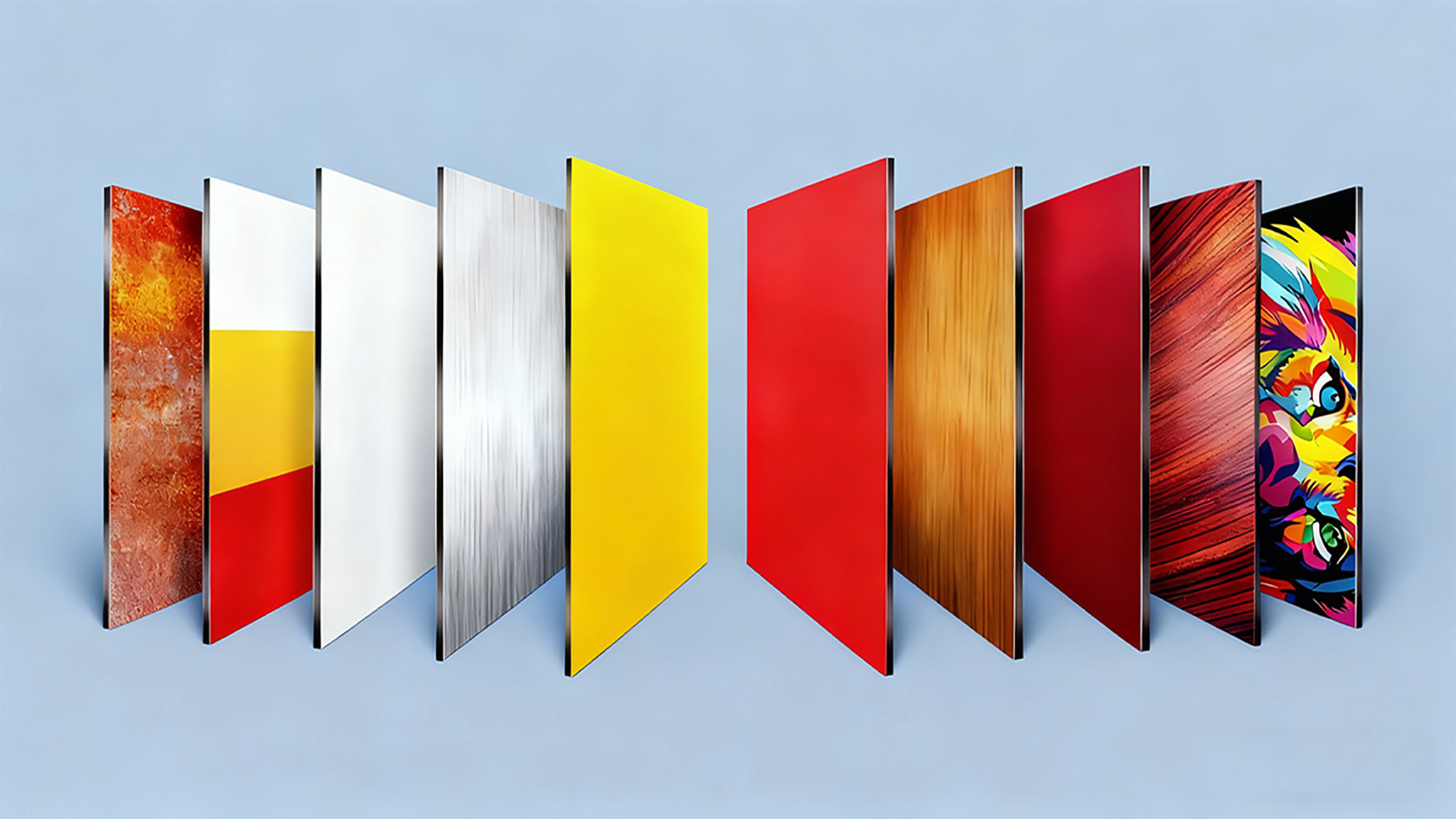
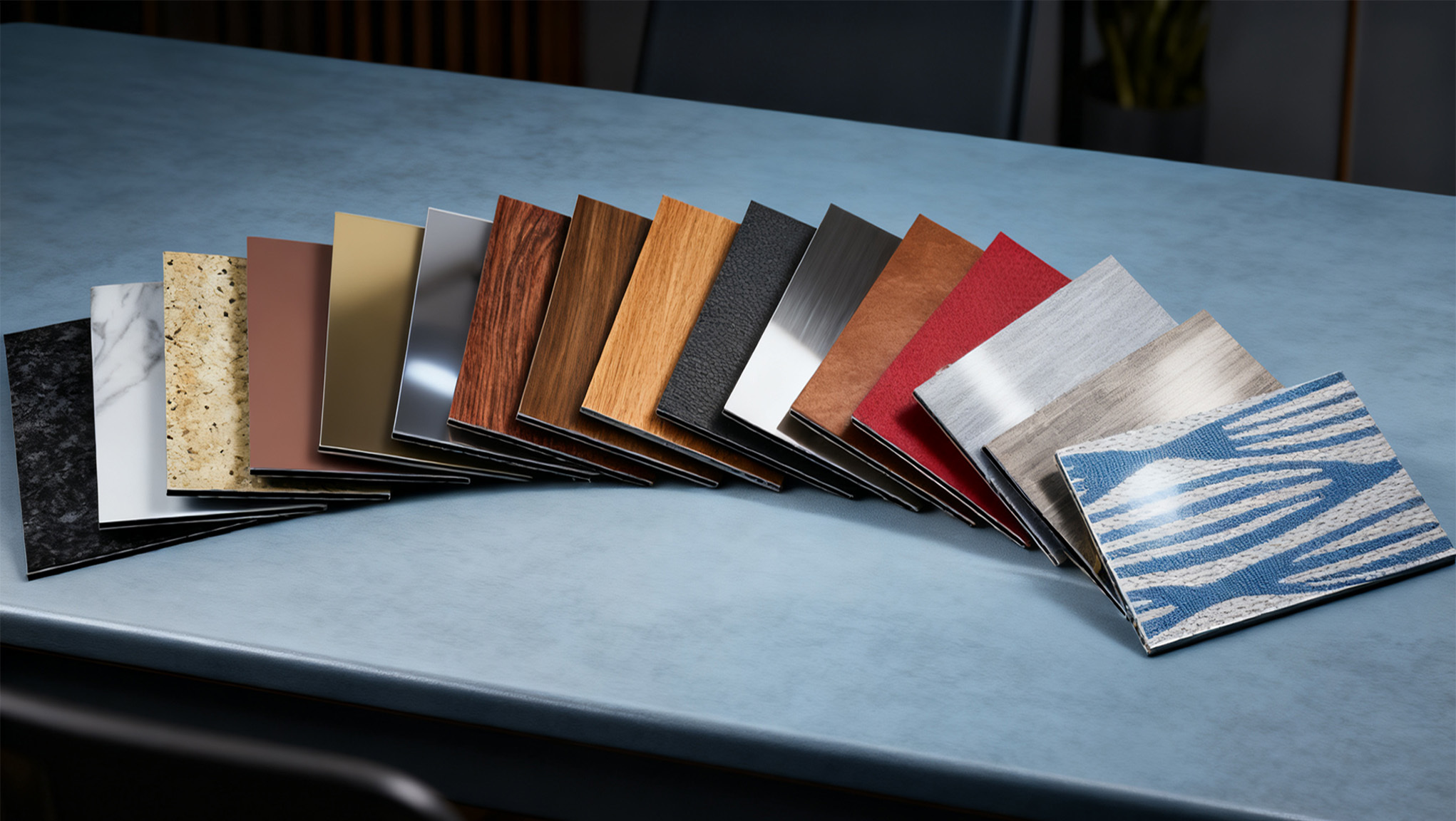
.gtr-container-7f8g9h { font-family: Verdana, Helvetica, "Times New Roman", Arial, sans-serif; color: #333; line-height: 1.6; padding: 20px; max-width: 960px; margin: 0 auto; box-sizing: border-box; } .gtr-container-7f8g9h p { font-size: 14px; margin-bottom: 1em; text-align: left !important; word-break: normal; overflow-wrap: normal; } .gtr-container-7f8g9h .gtr-heading-main { font-size: 18px; font-weight: bold; margin-bottom: 1.2em; color: #0056b3; text-align: left; } .gtr-container-7f8g9h .gtr-heading-sub { font-size: 18px; font-weight: bold; margin-top: 1.5em; margin-bottom: 1em; color: #0056b3; text-align: left; } .gtr-container-7f8g9h .gtr-reason-list { list-style: none !important; padding-left: 0; margin-left: 25px; margin-bottom: 1em; counter-reset: list-item; } .gtr-container-7f8g9h .gtr-reason-list li { list-style: none !important; position: relative; margin-bottom: 1em; padding-left: 25px; text-align: left; } .gtr-container-7f8g9h .gtr-reason-list li::before { content: counter(list-item) "." !important; position: absolute !important; left: 0 !important; font-weight: bold; color: #0056b3; width: 20px; text-align: right; } .gtr-container-7f8g9h .gtr-reason-title { font-weight: bold; font-size: 14px; color: #333; } @media (min-width: 768px) { .gtr-container-7f8g9h { padding: 30px 40px; } } Какой материал для стеновых панелей подходит для общественных мест/гражданских зданий? Создание динамичных и уникальных общественных мест на открытом воздухе или в помещении не должно быть сложной задачей. Эти места предназначены для вовлечения сообщества и продвижения образовательных и развлекательных возможностей. Огнестойкие алюминиевые композитные панели с классом пожарной безопасности A2 или B1 являются идеальным выбором. Почему? Одна из причин: Общественные места имеют большой поток людей и чрезвычайно высокие требования пожарной безопасности. Сердцевина панелей класса A2 (негорючие) или класса B1 (трудновоспламеняемые) использует огнестойкие минеральные сердечники (например, минералонаполненные, безгалогенные, малодымные огнестойкие материалы). При воздействии огня они могут эффективно задерживать горение и уменьшать токсичный дым, тем самым выигрывая драгоценное время для эвакуации персонала и пожаротушения. Другая причина: Этот тип панелей обычно использует более толстые высококачественные алюминиевые пластины (например, алюминий 4-й серии, обычно используемый во внешних навесных стенах) и прочные сердечники. Он обладает большей общей жесткостью и устойчивостью к вмятинам и царапинам и может выдерживать интенсивное использование и случайные столкновения в общественных местах. Алюминиевые композитные панели долговечны, имеют низкую стоимость обслуживания и сохраняют хороший внешний вид в течение длительного времени. Третья причина: Разнообразные цвета и текстуры: Мы можем предоставить любые цвета RAL, металлические цвета, имитацию древесины, имитацию камня и многие другие цвета и узоры для соответствия различным стилям дизайна. Это позволяет достичь крупномасштабных, бесшовных и непрерывных визуальных эффектов с сильным современным ощущением. Алюминиевые композитные панели успешно объединили «декоративную эстетику», «удобство строительства» и «долговечность», предоставив архитекторам и владельцам недвижимости эффективное, надежное и экономичное решение от концепции до реализации. Интересно, звоните мне в любое время.
Смотрите больше

Jixiang Siji Industrial Co., Ltd.
РАЗДИСТРУКЦИЯ РЫБОТ
map map 30% 40% 22% 8%
map
О чем говорят клиенты
Питер Авион
Я был полностью впечатлен их профессионализмом и обслуживанием клиентов. Качество продукта постоянно превосходит все мои ожидания.
Дилан Джей
Качество и хорошие цены. Рекомендуемый поставщик, очень надежный!!!
СОТРАНИВАЙСЯ С НАМИ в любое время!